How to Officiate a Symbolic Ceremony After a Legal Elopement
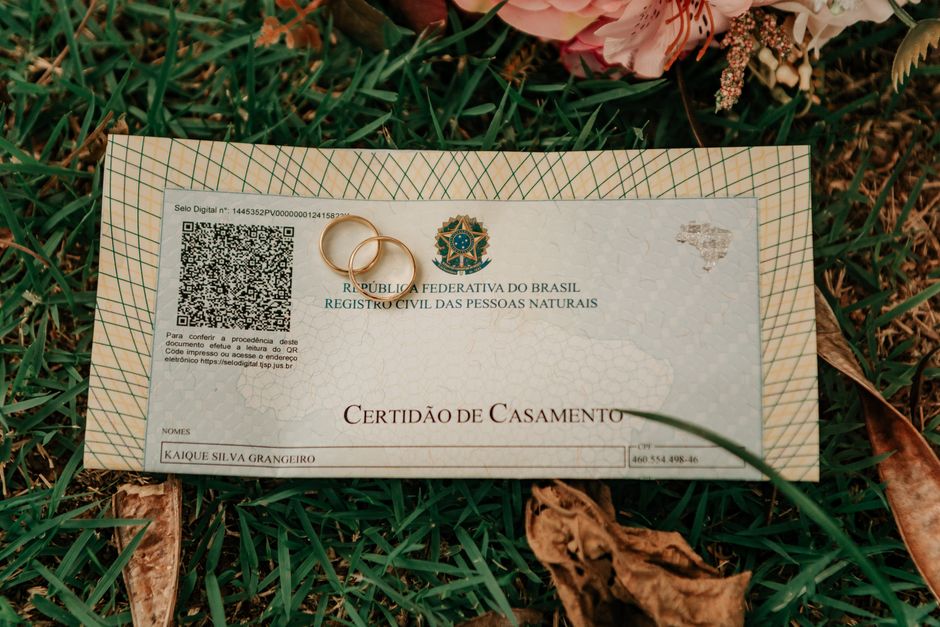
An increasingly common pattern: couples legally elope (often quietly, sometimes at a courthouse or during a private trip) and then hold a larger ceremony later — purely symbolic, with no legal component — in front of family and friends. If you’re asked to officiate one of these, it works a bit differently from a standard legal ceremony.
Understanding what this ceremony actually is
Because the couple is already legally married, this event has no legal requirements at all — no marriage license, no witnesses required for legal purposes, no state-specific waiting periods to worry about. This gives you significant creative freedom, similar to a vow renewal, even though the couple hasn’t been married as long.
How this differs from a vow renewal
While structurally similar to a vow renewal (no legal component, purely symbolic), the emotional framing is usually different — a vow renewal reflects back on years of marriage already lived, while a post-elopement symbolic ceremony is often about finally sharing a very recent, sometimes very private, decision with the people who couldn’t be there for the legal moment.
Structuring the ceremony
1. A welcome that acknowledges the actual situation. Many couples like this acknowledged directly and warmly, rather than pretending the ceremony is the actual legal wedding — something like: “While [Partner A] and [Partner B] are already married, today is about sharing that joy and commitment with all of you.”
2. Remarks about the couple, similar to a standard ceremony — see our guide on writing meaningful remarks.
3. Vows (symbolic, not legal). The couple can repeat vows, write new ones for this occasion, or choose to keep this section brief since their actual legal vows already happened elsewhere.
4. A symbolic ring exchange, if they want to re-exchange rings in front of guests, even though the rings are already legally significant from the elopement itself.
5. A closing statement, again framed around celebration and sharing rather than legal pronouncement, since “I now pronounce you married” doesn’t quite fit a couple that’s already married.
Example framing language
“[Partner A] and [Partner B] made the choice, just for themselves, to become legally married a few months ago — quiet, private, entirely their own moment. But marriage isn’t just a legal event; it’s a life shared with everyone who loves you. Today is about that — about all of you witnessing and celebrating what they already know to be true.”
Ask the couple how they’d like it explained to guests
Some couples want their guests to fully understand this is a symbolic celebration of an already-completed legal marriage; others prefer to keep that detail more private and simply let the ceremony feel like “the wedding” without extensive explanation. Confirm their preference so your language matches what they’re comfortable sharing publicly.
Why couples choose this path
Common reasons include wanting a private, low-pressure legal moment before a larger celebration, family or logistical complications that made a single combined event difficult, or simply wanting to separate the legal paperwork from the emotional celebration entirely. Understanding the couple’s specific reason (if they’re open to sharing it) can help you calibrate the right tone — some want this acknowledged warmly, others prefer it stay a practical detail rather than a storyline.
Ring logistics when rings were already exchanged legally
Since rings may have already been exchanged during the private legal ceremony, confirm with the couple whether they want a symbolic re-exchange during this celebration or prefer to skip that section entirely, since the “first” exchange already happened elsewhere.
Keeping this distinct from a vow renewal in your language
Even though the structure is similar to a vow renewal, avoid language that implies years have passed since the legal marriage if the two events happened close together — “renewing” vows implies looking back on time together, while this situation is closer to sharing a very recent decision more widely.
For symbolic ceremony templates suited to this exact situation, see our Ceremony Script Bundle.


Comments
Leave a comment