Officiant Voice Warm-Up Exercises for Wedding Day
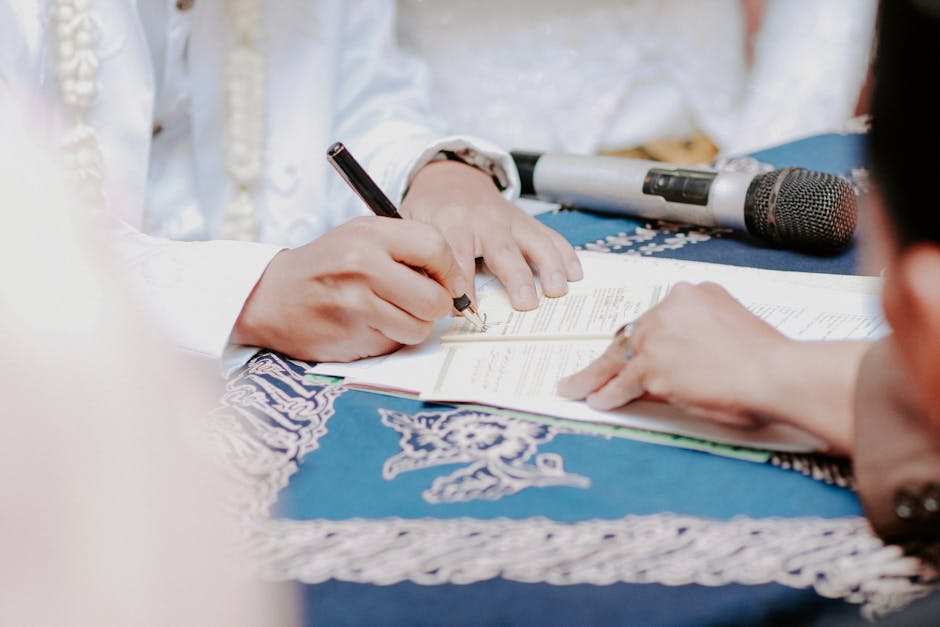
Professional speakers, singers, and actors almost universally warm up their voices before a performance — and officiating a wedding is, in its own way, a performance that deserves the same preparation. A short vocal warm-up the morning of the wedding can make a real difference in how clear, calm, and confident you sound.
Why warming up matters
Your voice is a physical instrument, and like any instrument, it performs better after a brief warm-up. Speaking cold — especially if you’re nervous, which tightens the muscles in your jaw, throat, and shoulders — often comes out shakier or less controlled than it needs to be. A few minutes of warm-up loosens that tension and gets your breath support working before you need it most.
Five simple exercises
1. Humming. Hum a comfortable, low note for 10-15 seconds, then let the pitch rise and fall gently. This is one of the gentlest ways to wake up your vocal cords without straining them.
2. Lip trills. Blow air through loosely closed lips (the “motorboat” sound) while gently varying the pitch. This exercise is a favorite among singers because it engages breath support and vocal cords simultaneously without tension.
3. Diaphragmatic breathing. Place a hand on your stomach and take five slow, deep breaths, focused on expanding your stomach rather than raising your shoulders. This reinforces the breathing pattern you’ll want to use for projection throughout the ceremony.
4. Articulation drills. Say a simple tongue-twister a few times at increasing speed, then slow back down: “unique New York,” “red leather, yellow leather,” or similar phrases work well. This wakes up the muscles used for clear articulation.
5. Read your opening line out loud, three times. After the exercises above, read the actual first line of your ceremony script out loud a few times at your intended pace and volume. This connects the physical warm-up directly to the material you’re about to deliver.
When to do this
Ideally 30-60 minutes before the ceremony starts, somewhere private — a car, a quiet room, even a bathroom works fine. Doing it too close to the ceremony (in the final five minutes) can feel rushed; doing it too early means the loosening effect may fade by the time you’re actually speaking.
A bonus benefit: calming nerves
Beyond the vocal benefits, this kind of warm-up routine does double duty as a nerves-management tool. The physical focus required — paying attention to breath, pitch, and articulation — gives your mind something concrete to do instead of spiraling into pre-ceremony anxiety. Many officiants report that the warm-up itself becomes a calming ritual, separate from its vocal benefits.
Pairing this with your script
A warm voice delivers a script better, but the script itself still matters. If you’re looking for ceremony wording that’s been written specifically to sound natural when spoken aloud, our Ceremony Script Bundle is designed with spoken delivery in mind — not just written elegance — so your newly warmed-up voice has strong material to work with.
When to do these exercises
A short 5-minute warm-up in the car or a private room shortly before the ceremony works well — enough to loosen your voice without over-tiring it. Avoid warming up too far in advance (hours before), since the effect fades and you’ll want your voice freshest right before you actually speak.


Comments
Leave a comment