How to Handle a Crying Bride or Groom During the Ceremony
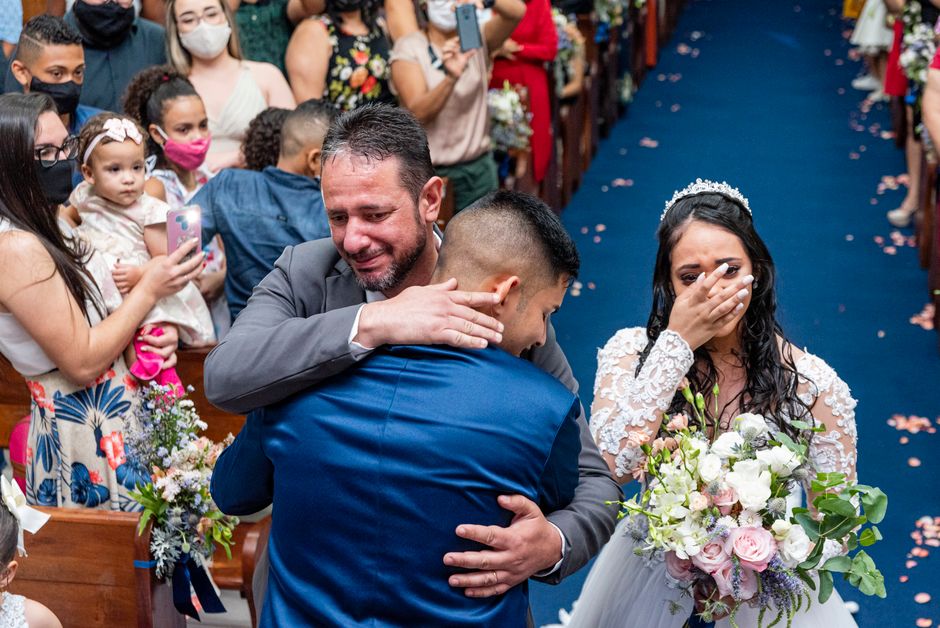
Happy tears are one of the most common — and most beautiful — parts of officiating a wedding. But if you’ve never stood at the front of a ceremony watching a couple well up mid-vow, it can catch you off guard. Here’s how to handle it with grace.
First: this is completely normal, and expected
Almost every officiant who’s done more than a handful of weddings has a story about a couple getting emotional during vows, during the processional, or during a particularly meaningful moment. It’s one of the most human parts of a wedding ceremony, and guests generally find it moving rather than awkward. Your job isn’t to prevent it — it’s to hold space for it calmly.
What to do in the moment
Slow down, don’t speed up. The instinct when someone gets emotional is often to rush through the moment to “get past” the awkwardness. Do the opposite — slow your own pace slightly, which signals to the couple (and guests) that there’s no rush.
A brief pause is fine — even good. If a partner needs a few seconds to collect themselves before repeating a vow line, simply wait warmly. You don’t need to fill the silence with words. A calm, patient pause reads as tender, not broken.
A small, warm acknowledgment can help. A quiet, kind line like “take your time” said softly, or even just a reassuring nod, can help an emotional partner feel supported without turning attention away from them and onto you.
Have tissues within reach. This is a small but genuinely useful practical tip — a couple of tissues in your pocket or nearby on a table means you (or a nearby bridesmaid/groomsman) can quietly hand one over without an awkward search.
If they can’t get the words out
Occasionally a partner is too emotional to complete a vow line clearly. In that situation, gently offer to repeat the line again, slower, or break it into smaller phrases they can echo one piece at a time. This is a completely normal adjustment and nobody will think less of the moment for it — if anything, it usually makes the ceremony feel more genuine.
Keep your own composure
Officiants sometimes get caught up in the emotion too, which is natural, but staying grounded yourself helps the couple feel like there’s a steady presence guiding them through the moment. A brief personal smile or misty eye is completely fine — losing your own train of thought is the thing to avoid, so if you feel very moved, take your own breath before continuing.
What guests actually remember
Couples and guests rarely remember a wedding ceremony as “awkward” because of happy tears — if anything, these moments are often the ones people describe as the most touching part of the day. Your calm, unhurried handling of an emotional moment is what actually shapes whether it feels beautiful or uncomfortable, far more than the tears themselves.
If you get emotional too
It’s genuinely common for officiants — especially close friends or family — to tear up themselves during an emotional moment. A brief pause to collect yourself is completely fine; guests generally find a visibly moved officiant endearing rather than unprofessional, as long as you’re able to continue once you’ve taken that moment.
For a full pre-ceremony preparation checklist covering delivery and composure, see our Checklist & Timeline Kit.


Comments
Leave a comment