How to Officiate a Micro Wedding
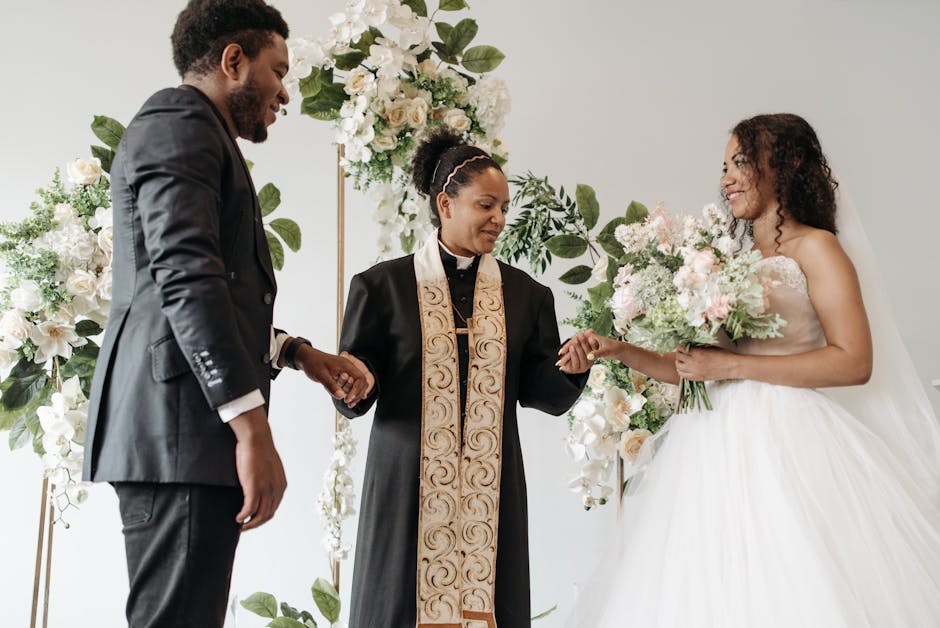
Micro weddings — typically defined as ceremonies with roughly 10-50 guests — have grown significantly in popularity, offering a middle ground between a full-scale wedding and a bare-bones elopement. Officiating one calls for some adjustments from a standard large-ceremony approach.
How micro weddings differ from both elopements and full weddings
Unlike an elopement (often just the couple and witnesses), a micro wedding still involves a genuine guest list — close family and friends — but at a scale that allows for a more intimate, conversational ceremony style than a 150-guest wedding would.
Adjusting your delivery for a smaller room
With fewer guests, you can afford (and often should use) a more conversational, less “performed” delivery style — closer to how you’d naturally speak to a small group than how you’d project to fill a large hall. This doesn’t mean lower energy, just a more intimate register.
Eye contact becomes more natural and impactful. With a small guest count, you can genuinely make eye contact with individual guests during parts of your remarks, which creates a warmer, more connected feeling than is possible with a large seated crowd.
Structuring a micro wedding ceremony
Most of the same ceremony elements apply — welcome, remarks about the couple, vows, ring exchange, pronouncement — but many officiants find that micro weddings support more personalization throughout, since there’s time and intimacy to include more specific stories or direct address to guests by name without the ceremony running unreasonably long.
Practical logistics that are easier at this scale
Positioning is more flexible. With fewer guests, you have more freedom in ceremony layout — a circle, a smaller arc, or non-traditional seating arrangements are easier to accommodate than at a large wedding, and can create a more intimate feel.
Sound is usually simpler. Depending on the guest count and venue, a micro wedding may not require amplification at all, especially indoors — see our guide on outdoor voice projection if the ceremony is outside regardless.
Don’t assume “smaller” means “less formal”
While many micro weddings do lean casual, some couples choose a small guest list specifically to have a more formal, traditional ceremony with only their closest circle present — don’t assume scale dictates tone. Confirm directly with the couple what style they’re going for.
The advantage of intimacy
Officiants who’ve done both large and micro weddings often note that smaller ceremonies allow for a genuinely different kind of connection — with the couple, and with the room as a whole. Lean into that intimacy rather than trying to replicate the energy of a large-scale ceremony at a smaller size.
Content choices that work especially well at this scale
With fewer guests, you can afford to include more specific, personal detail throughout the ceremony without losing anyone’s attention — inside references that would need extra context for a large, less-connected guest list often land immediately with a smaller, closer group who already know the backstory. See our guide on personalizing a wedding ceremony script for how to find and use this material.
Handling a slightly awkward small-group silence
Occasionally, a very small group creates moments of quiet that would go unnoticed in a large room — a pause after a joke, a lull before the processional. Don’t rush to fill these; a relaxed, unhurried pace actually suits an intimate ceremony better than trying to keep constant energy going, which can feel forced at this scale.
Micro weddings versus elopements: knowing the difference
A micro wedding (roughly 10-50 guests) still has a genuine guest list and often retains most traditional ceremony elements, just at a smaller scale — this is different from an elopement, which typically involves just the couple and minimal or no additional guests. Confirm with the couple which category their event actually falls into, since the right ceremony structure differs meaningfully between the two.
For ceremony templates adaptable to any guest count, see our Checklist & Timeline Kit.


Comments
Leave a comment