How to Project Your Voice Outdoors as a Wedding Officiant

Outdoor ceremonies are beautiful, but they come with an acoustics problem indoor venues don’t have: no walls or ceiling to hold your voice in, plus wind, traffic, birds, and rustling guests competing for attention. Here’s how to make sure you’re actually heard.
Why outdoor projection is genuinely different
Indoors, sound reflects off walls and ceilings, which naturally reinforces your voice even at a conversational volume. Outdoors, sound simply disperses into open air. This means the vocal habits that feel like “enough” volume in a living room rehearsal often aren’t nearly enough at an actual outdoor venue.
Technique 1: project from your diaphragm, not your throat
The single biggest projection improvement most first-time officiants can make is breathing and speaking from the diaphragm rather than straining from the throat. Practice this by placing a hand on your stomach and taking a slow breath — you should feel your stomach expand, not just your chest rise. Speak on the exhale, letting the breath support the sound rather than forcing volume from your throat, which tires quickly and sounds strained.
Technique 2: aim your voice past the back row
A simple mental trick: instead of aiming your voice at the couple in front of you (who are only a few feet away), aim it at an imaginary point just behind the last row of guests. This naturally increases both volume and clarity without you having to consciously “yell,” which usually just adds strain rather than actual carrying power.
Technique 3: slow down more than feels natural
Outdoor acoustics swallow consonants and quick words more than a controlled indoor room does. Slowing your pace by roughly 20% compared to how you’d speak in an indoor rehearsal — with slightly more space between sentences — dramatically improves how much of what you say actually lands clearly with guests in the back rows.
Dealing with wind specifically
Wind is the toughest outdoor variable because it’s unpredictable. A few practical strategies:
- Position yourself so wind is at your back or side, not blowing directly into your face, if the ceremony layout allows any flexibility — wind in your face pushes your voice backward, away from guests.
- If using a lapel or handheld microphone, a wind-screen (foam cover) on the mic head reduces the harsh popping and rushing sound wind creates on exposed microphones.
- Have a mental backup plan for a sudden gust during a key line — pausing briefly and repeating the sentence once the gust passes is far better than plowing through inaudibly.
Should you use a microphone?
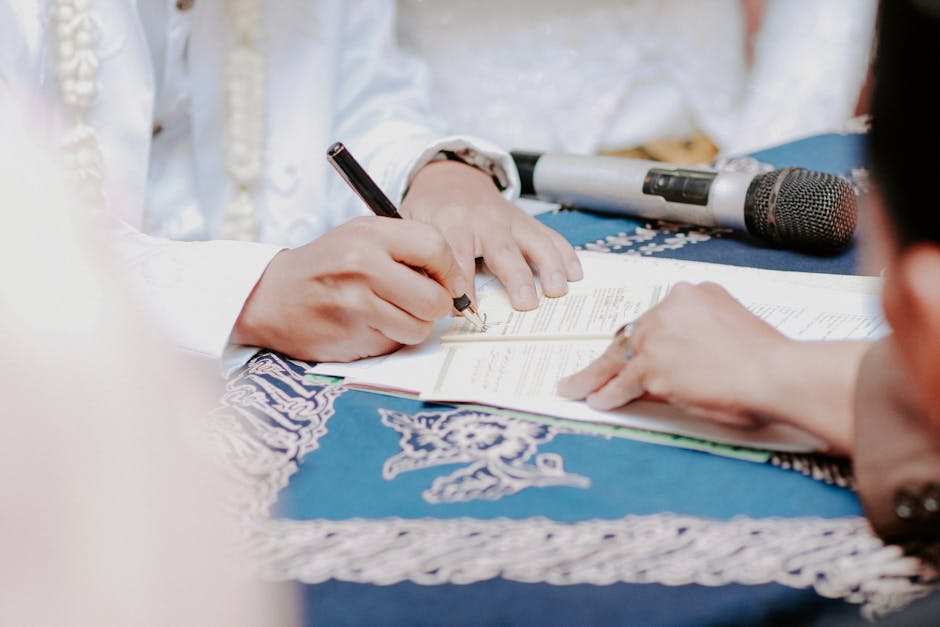
For guest counts above roughly 30-40 people, or any venue near roads, wind, water, or other ambient noise, a microphone is strongly worth arranging — even a basic wireless lapel or handheld setup dramatically outperforms unamplified projection outdoors. For smaller, quieter backyard-style gatherings, strong projection technique alone can work, especially with the diaphragm-breathing and slower-pacing habits above.
Practice outdoors, not just indoors
If at all possible, do at least one run-through of your ceremony script outdoors — even just in a backyard — rather than only practicing indoors. The acoustic difference is significant enough that indoor-only practice can leave you unprepared for how much more effort real outdoor projection requires.
Recognizing the signs guests can’t hear you
Watch for guests leaning forward, cupping their ears, or looking to each other in confusion — these are cues to increase volume or slow down immediately, rather than waiting for someone to say something. Catching this early prevents an entire section of the ceremony from being missed by the back rows.
For a complete rehearsal and day-of checklist covering this and every other delivery detail, see our Checklist & Timeline Kit.


Comments
Leave a comment