Symbolic Ceremony for Couples Married Abroad

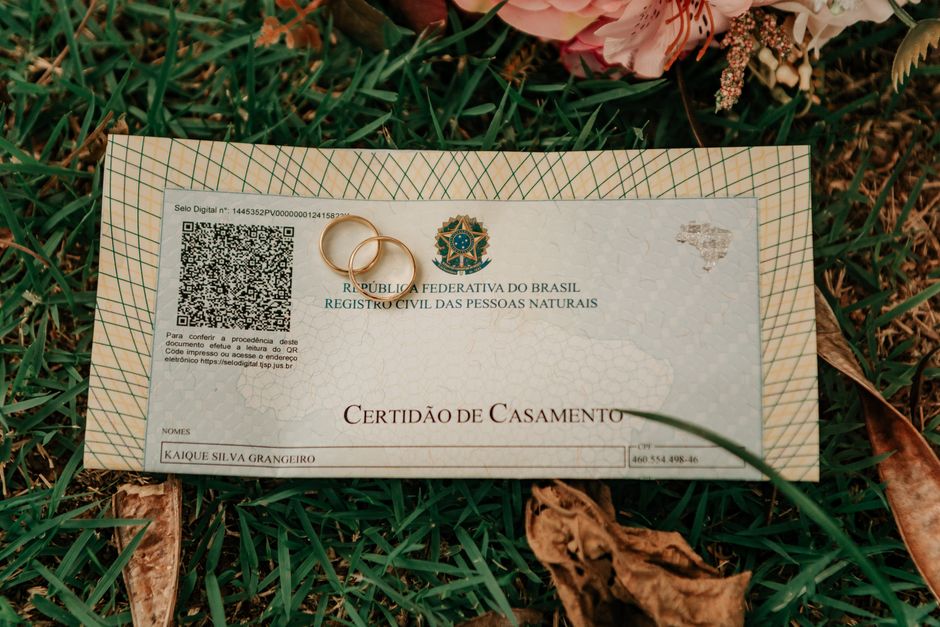
Some couples legally marry in another country — sometimes for family, cultural, or logistical reasons — and then hold a symbolic ceremony back in the US for friends and family who couldn’t attend or weren’t part of the original legal event. If you’re asked to officiate this kind of ceremony, it works similarly to a post-elopement symbolic ceremony, with a few additional considerations.
No legal requirements apply
Since the couple is already legally married under the laws of another country, this US-based ceremony has no legal component — no marriage license, no state waiting period, no witness requirement. This gives you significant creative freedom in how you structure and deliver it.
Consider acknowledging the international element, if the couple wants it
Some couples like their ceremony to reference where and how they legally married — a specific country, a family tradition tied to that location, or simply the fact that this celebration brings together people from the original event with those who couldn’t attend. Others prefer to keep the focus entirely on the celebration itself without dwelling on the logistics. Ask directly what they’d prefer.
Incorporating cultural elements from the country of marriage
If the couple’s legal wedding abroad included specific cultural or religious traditions, some like to incorporate a version of those elements into the US symbolic ceremony as well — see our guide on interfaith and multi-faith weddings for guidance on researching and respectfully incorporating unfamiliar traditions.
Example framing language
“[Partner A] and [Partner B] made their commitment official [location/timeframe], surrounded by [specific detail about that event, if shared]. Today isn’t about repeating that moment — it’s about extending it, sharing their joy and commitment with everyone here who couldn’t be part of that first celebration.”
Structuring the ceremony
Much like other symbolic, legally-unbound ceremonies, this structure typically includes: a welcome (with the international context acknowledged if desired), remarks about the couple, symbolic vows, a ring exchange (even if rings were already exchanged legally elsewhere), and a warm closing statement rather than a legal pronouncement.
Coordinate on terminology
Since there’s no legal pronouncement happening, work out with the couple what closing language feels right — some prefer language that still evokes a traditional pronouncement feel (“I now joyfully declare…”) even though it carries no legal weight, while others prefer language that’s explicitly framed as celebratory rather than official.
A meaningful role despite the unusual structure
Officiating this kind of ceremony is a genuine honor, even without the legal component — you’re helping a couple share and celebrate a commitment that’s already real and already made, with the community that matters to them.
Timing this ceremony relative to the legal event
Some couples hold this symbolic ceremony very soon after the legal one abroad; others wait months or even a year or more, especially if they wanted to plan a larger celebration or coordinate around guests’ schedules. Either timeline is completely normal — ask the couple directly if there’s a specific reason for their chosen timing that you might want to acknowledge in your remarks.
If the couple wants to explain the situation to confused guests
Some guests may not realize the couple is already legally married and could be confused by ceremony language that doesn’t include a legal pronouncement. If the couple wants this clarified, a brief, warm line early in the ceremony handles it naturally: “For those who may not know, [Partner A] and [Partner B] made things officially official a few months ago — today is about sharing that joy with all of you.”
Comparing this to a vow renewal
This situation is functionally similar to a vow renewal ceremony in that both lack a legal component — the key difference is timing and framing: a vow renewal typically reflects back on years of marriage, while this kind of ceremony is closer in spirit to a couple’s “real” wedding celebration, just without the legal paperwork attached to this specific moment.
For adaptable symbolic-ceremony templates suited to this exact situation, see our Ceremony Script Bundle.


Comments
Leave a comment