How to Honor a Deceased Loved One During a Wedding Ceremony
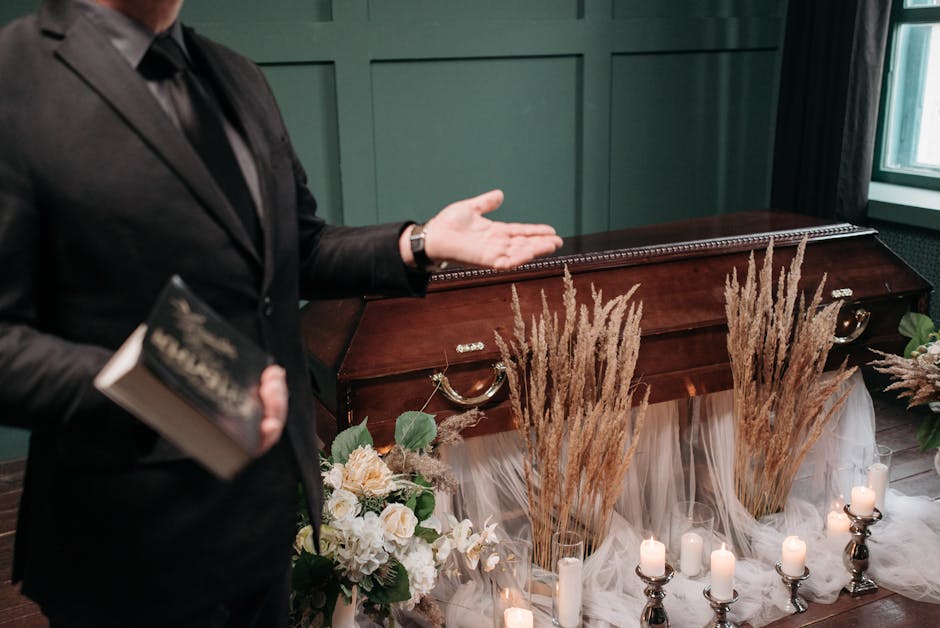
Many couples want to acknowledge a deceased parent, grandparent, or other loved one during their ceremony — a meaningful way to include someone who couldn’t be there in person. Handling this thoughtfully requires care, but it’s one of the most appreciated moments an officiant can help create.
Ask the couple directly about what they want
Start with a direct, gentle conversation: do they want a specific mention during the ceremony, a moment of silence, a symbolic gesture (an empty chair, a photo displayed, a candle lit), or would they rather keep grief more private and not address it directly during the ceremony at all? There’s no universally correct approach — follow their lead.
Common ways to acknowledge a loved one
A brief spoken acknowledgment. A short, warm mention woven into your remarks or the welcome — enough to honor the person without turning the moment into an extended eulogy.
A moment of silence. A brief, quiet pause specifically dedicated to remembering the person, giving guests space to reflect without requiring spoken words.
A symbolic gesture. An empty seat with a photo or flowers, a candle lit in their memory, or a small keepsake item incorporated into the ceremony (worn or carried by the couple).
A specific mention during a relevant ceremony moment. For example, if a father has passed and would have walked the bride down the aisle, some couples choose to have someone else walk with them while specifically acknowledging the father’s memory at that moment.
Example acknowledgment language
“As we celebrate [Partner A] and [Partner B] today, we also hold space for those who couldn’t be here in person — especially [Name], whose love and influence are woven into who [Partner A] has become. Though not physically present, [Name]‘s presence is felt by everyone who knew and loved them, especially today.”
Keeping the tone right
The goal is usually warmth and gentle remembrance, not sorrow that overtakes the ceremony’s overall celebratory tone. A brief, tender acknowledgment — rather than an extended, heavy moment — tends to strike the right balance, unless the couple specifically wants something more extensive.
Be prepared for an emotional reaction
Even a brief mention of a deceased loved one can bring real emotion to the surface for the couple or guests — see our guide on handling a crying bride or groom for general guidance on staying calm and supportive if this moment brings tears.
Confirm timing and placement carefully
Ask the couple where in the ceremony they’d like this acknowledgment — often near the beginning (in the welcome) or during your remarks about the couple. Confirm the exact wording they’re comfortable with in advance, rather than improvising language about something this personal and sensitive in the moment.
A meaningful gesture, handled with care
Done thoughtfully, acknowledging a deceased loved one during a ceremony can become one of the most moving parts of the entire day — a genuine reminder that love and memory span far beyond who’s physically present in the room.
If multiple people want to be acknowledged
Some couples have more than one person they’d like remembered — keep the acknowledgment collective rather than a long individual list, unless the couple specifically wants each person named separately. A brief, warm collective mention often carries more weight than an extended roll call.
For sensitive, adaptable memorial-acknowledgment language, see our Ceremony Script Bundle.


Comments
Leave a comment