What Happens After the Ceremony: The Officiant's Remaining Duties

The moment you pronounce a couple married and they share their first kiss can feel like the finish line — but a few important tasks still remain to make sure the marriage is properly and legally finalized.
Signing the marriage license
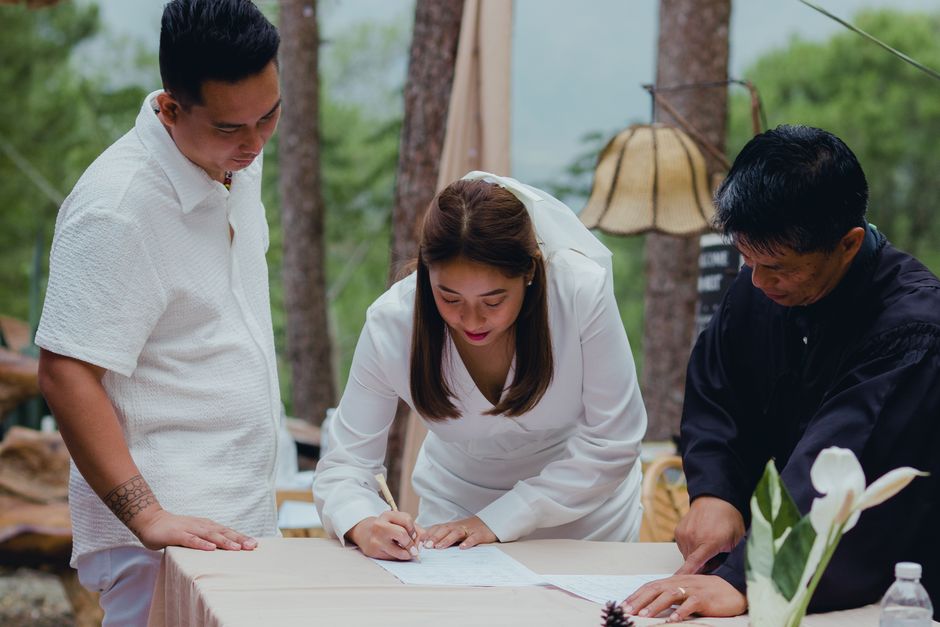
Immediately after the ceremony (or shortly after, depending on the venue’s flow), you’ll typically need to sign the marriage license along with the required witnesses. Confirm ahead of time exactly where and when this signing will happen — some venues have a specific signing table or moment built into the day’s schedule, while others expect it to happen more informally right after the ceremony.
Confirming who returns the license
This is a detail that’s easy to overlook in the emotion of the moment: someone needs to physically return the signed license to the correct county office (see our state-by-state legal guides for the specific office and any deadline in your state). Confirm directly with the couple whether that’s your responsibility, theirs, or a wedding planner’s — and don’t leave the venue without knowing the answer.
Double-checking the paperwork before you leave
Before the celebration fully takes over, take a moment to confirm the license is fully and correctly signed — all required signatures, correct date, no blank fields. A mistake or missing signature discovered days later is far harder to fix than catching it in the moment.
If you’re expected to give a reception toast
If you agreed to give a brief toast at the reception, this typically comes later in the evening — see our guide on officiant reception toasts for how to approach this differently from your ceremony remarks.
Returning any borrowed or shared materials
If you were holding the rings, unity ceremony materials, or any other physical items during the ceremony, make sure everything is returned to the appropriate person (the couple, a planner, or family member) rather than accidentally leaving with something that isn’t yours.
A personal note or card, if you’re so inclined
Many officiants choose to send the couple a short note or card in the days after the wedding — not required, but a thoughtful gesture that reflects on the experience of having been part of their day.
Following up on the license status, if you’re responsible for tracking it
If you did take responsibility for returning the license, follow through promptly rather than letting it sit — most counties have a specific window for returning the signed license, and delays can occasionally create complications for the couple, especially if they need proof of marriage soon after (for a name change, for instance).
Your role, wrapped up
Once the paperwork is properly handled, your formal responsibilities as officiant are complete — the rest of the celebration is simply yours to enjoy as a guest.
If you’re asked to help with anything else post-ceremony
Occasionally a couple or coordinator asks the officiant to help with a small logistical task right after the ceremony (moving a chair, helping direct guests to the reception). It’s fine to help if you’re able, but remember your core responsibilities — the license paperwork specifically — take priority over any informal requests in those first few minutes.
Following up days later, if you were responsible for filing
If you took on responsibility for returning the signed license, follow through within the timeframe your state requires (see our state-by-state legal guides) rather than letting wedding-week busyness cause delay — this is the one task that genuinely needs prompt follow-through after everything else is done.
For a complete post-ceremony checklist covering every remaining task, see our Checklist & Timeline Kit.


Comments
Leave a comment