The Officiant's Final Checklist for the Week of the Wedding
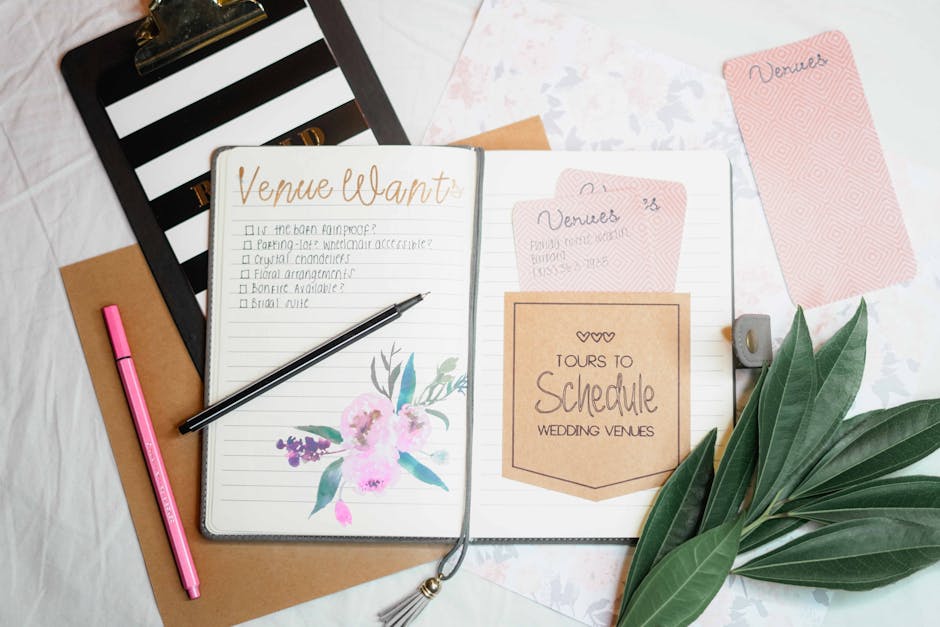
The final week before a wedding is when all your earlier preparation comes together — here’s a complete checklist to make sure nothing slips through the cracks in these last crucial days.
5-7 days before
Do a final full read-through of your script, aloud, at a natural pace, timing yourself — see our guide on ceremony length to confirm you’re in a reasonable range.
Confirm any last content with the couple. If they mentioned wanting to review or adjust anything, this is the last comfortable window to finalize changes without it feeling rushed — see our guide on handling last-minute changes if anything does come in later than this.
Print your final script, in large, clear text, and prepare a backup digital copy on your phone.
2-3 days before
Confirm rehearsal timing and location, and review your plan for running it if you’re expected to lead it — see our rehearsal guide for structure.
Double-check your attire is ready and appropriate — see our guide on what to wear as an officiant if you haven’t finalized this yet.
Confirm logistics for wedding day — what time you need to arrive, where you’ll wait beforehand, and any final questions about the ceremony space.
The day before (post-rehearsal)
Make any final script adjustments that came out of the rehearsal walkthrough.
Pack everything you’ll need, following our complete day-of packing checklist — script, pen, any items you’re responsible for holding, water, and anything else specific to this ceremony.
Get a full night’s sleep if at all possible — nervous energy the night before is normal, but arriving well-rested significantly helps with composure and delivery the next day.
The morning of
Do one final quiet read-through, if time allows — not to memorize anything new, just to refresh your familiarity with the flow.
Confirm the weather and any contingency plan, if the ceremony is outdoors — see our guide on handling a rainy day wedding if conditions have shifted.
Arrive with buffer time, rather than cutting it close — this reduces stress and gives you a moment to settle in before the ceremony begins.
Take a few minutes for a breathing exercise or mental reset, if nerves are present — see our guide on handling stage fright for specific techniques.
Right before the ceremony starts
Do a final check that you have everything — script, rings (if applicable), any unity ceremony materials.
Take one deep breath, and remember why you were asked to do this. You’ve prepared well — trust that preparation, and let the ceremony be the meaningful moment you and the couple have been building toward.
If something on this list slips
Life happens, and not every officiant hits every item on a checklist exactly as planned — if you notice a gap partway through the week (a script section you haven’t finalized, a rehearsal detail you forgot to confirm), address it as soon as you notice rather than letting it slide further. Most last-minute catches are still entirely fixable with a day or two of lead time; it’s only the ones caught the morning of the wedding that create real stress.
Adjusting this checklist for a compressed timeline
If you were asked to officiate on shorter notice than a full week, compress these steps rather than skipping them — prioritize in this order: confirming legal requirements are met, finalizing your script, and doing at least one full out-loud practice read-through. Everything else on this list is valuable but less critical if time is genuinely tight.
Keeping this checklist for future reference
If this is your first time officiating, save this checklist (or bookmark it) for next time — many people who officiate once are asked again by other friends or family members down the line, and having a proven process ready to go removes most of the uncertainty the second time around.
For the complete week-by-week officiant preparation timeline from the moment you say yes through the wedding day itself, see our Checklist & Timeline Kit.


Comments
Leave a comment