What to Bring on Wedding Day as the Officiant
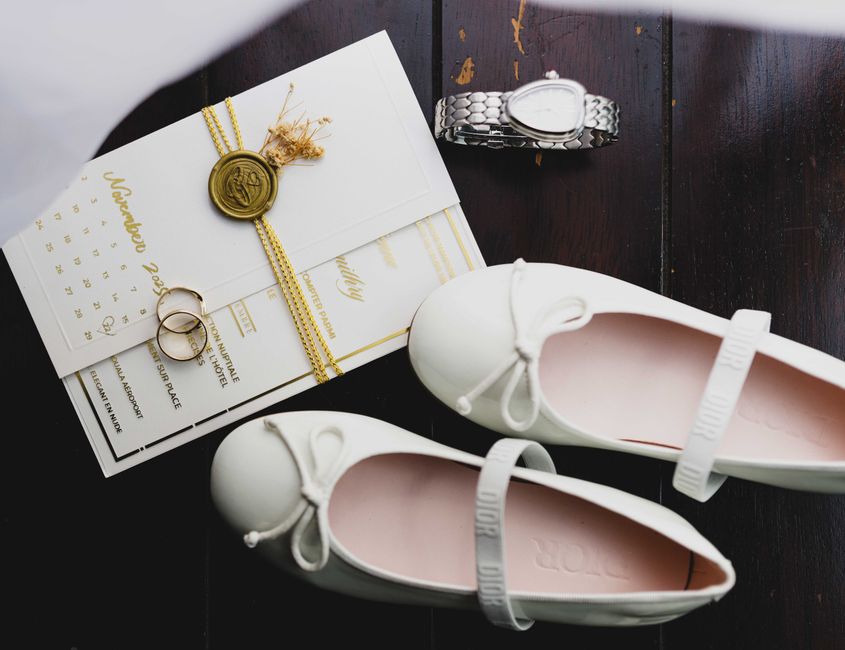
Wedding day has enough moving parts without also scrambling to remember what you, as the officiant, actually need to bring. Here’s a complete list to pack the night before.
The essentials
Your ceremony script, printed in large, easy-to-read text — plus a backup digital copy on your phone in case anything happens to the physical copy. See our guide on memorizing vs. reading your script for formatting tips.
The marriage license, if you’re responsible for having it on hand during the ceremony (confirm with the couple who’s holding it beforehand — sometimes it’s the officiant, sometimes a parent or wedding planner).
A pen, for signing the marriage license after the ceremony — bring your own rather than assuming one will be available.
Proof of ordination, just in case — while rarely actually requested, having a copy of your ordination certificate (printed or accessible digitally) removes any uncertainty if a venue or county office happens to ask.
Ceremony-specific items
Rings, if you’re the one holding them rather than the best man or maid of honor (see our guide on ring logistics without a ring bearer).
Any unity ceremony materials, if you’re responsible for them — sand, candles, or other props for a unity ritual, unless the couple or a planner is handling this.
Tissues, tucked in a pocket — useful for an emotional couple mid-ceremony (see our guide on handling a crying bride or groom).
Practical day-of items
Water, especially for outdoor ceremonies — staying hydrated helps with vocal projection and general composure.
A phone charger or backup battery, in case you’re using your phone for a digital script copy or timer.
Weather-appropriate backup items. For outdoor ceremonies, consider a small umbrella, sunscreen, or a light jacket depending on the season — small discomforts can be surprisingly distracting mid-ceremony if unaddressed.
A small mirror, if you want a last-minute check on your appearance before the ceremony starts.
Timing-related items
A watch or clear view of the time, rather than relying on pulling out your phone during the ceremony itself, which can look distracting to guests.
A printed or digital copy of the day’s timeline, so you know exactly when you’re expected to be ready and any specific cues coordinated with the DJ, photographer, or planner.
The night-before check
The evening before the wedding, lay out everything from this list in one place so the morning-of doesn’t involve any last-minute searching. A five-minute check the night before prevents a genuinely stressful scramble on the actual wedding morning.
What to bring for a destination or travel wedding
If you’re flying or traveling a significant distance, see our guide on officiating a destination wedding for additional considerations — but specifically for packing, a printed script matters even more here, since you’re less able to quickly print a replacement if something goes wrong with a digital-only copy.
What to leave at home
A few things that don’t need to make the trip: anything not directly related to your officiant role (this isn’t the time to also serve as photographer or extra planner), overly bulky reference materials (a single well-organized script beats several loose backup documents), and anything that could create a distraction during the ceremony itself, like a phone that isn’t silenced.
A simple bag-packing order
Pack in this order so the most time-sensitive items are easiest to reach first: script and legal documents at the top, followed by any items you’re physically responsible for (rings, unity ceremony materials), then personal comfort items (water, weather gear) at the bottom, since you’ll likely grab those last on your way out.
For a complete printable day-of checklist covering this and every other detail, see our Checklist & Timeline Kit.


Comments
Leave a comment